Introduction
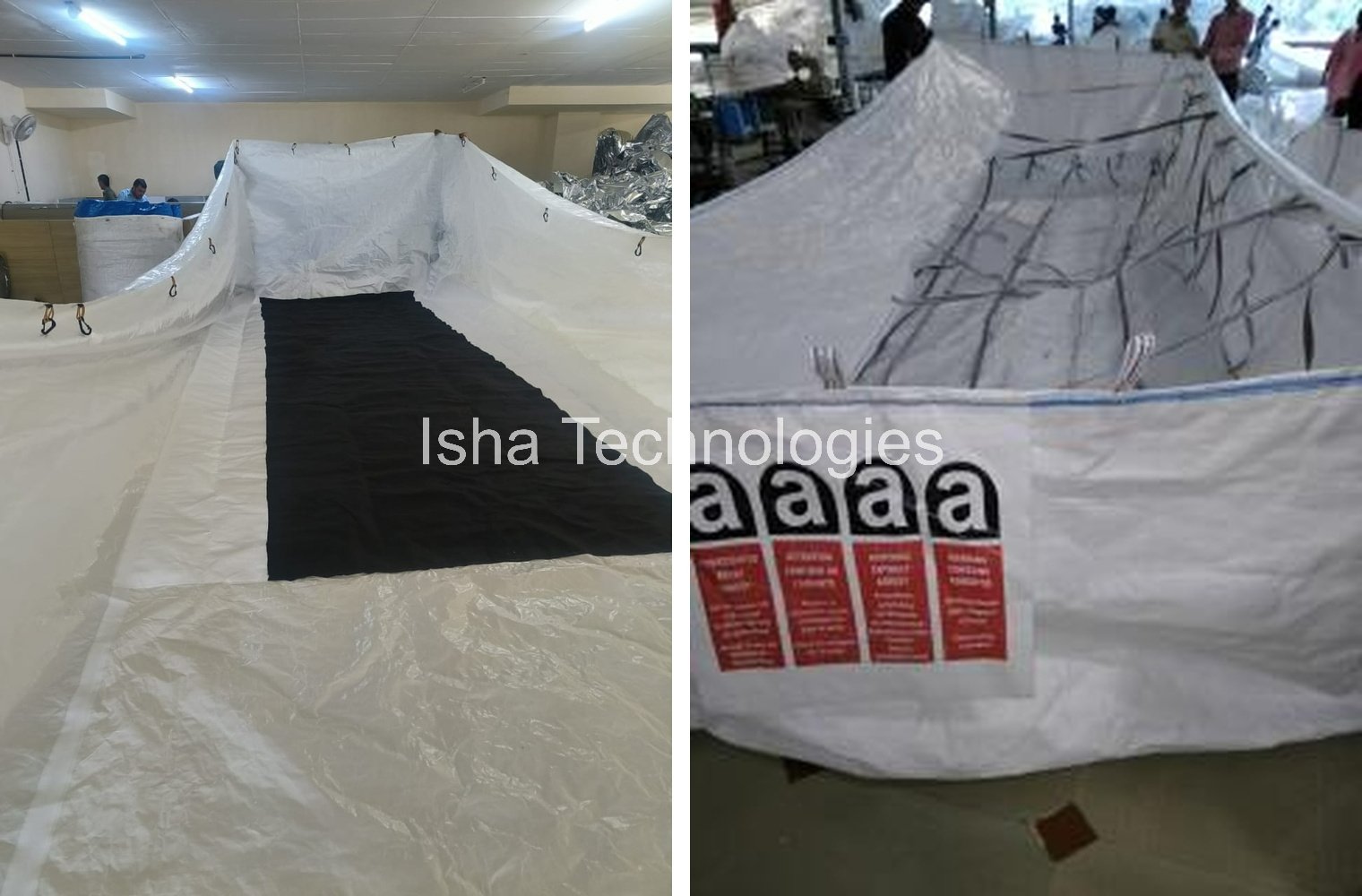
Transporting bulk materials efficiently requires packaging that provides protection, supports easy loading and unloading, and is suitable for the characteristics of the cargo. Container Liners are widely used for transporting compatible dry bulk materials inside standard shipping containers.
Choosing the right Container Liner Manufacturers is important because liner quality, material selection, dimensions, fitting, filling and discharge arrangements can directly affect the efficiency of bulk cargo handling.
Whether you are transporting agricultural products, food-grade materials where applicable, minerals, polymers, chemicals, or other dry bulk products, selecting experienced Container Liner Suppliers can help you obtain a liner designed for your specific application.
What Are Container Liners?
Container liners are large flexible liners installed inside shipping containers to create a suitable packaging layer between the cargo and the container. They are commonly used for dry bulk transportation and can help:
- Keep bulk materials separated from the container interior
- Reduce direct contact between cargo and container surfaces
- Support efficient loading and unloading
- Help reduce contamination risks when appropriately designed
- Improve bulk cargo handling efficiency
- Make better use of standard shipping containers for dry bulk transportation
The correct liner construction depends on the product, transportation conditions, filling process, discharge method, and applicable regulations.
Why Are Container Liners Important for Bulk Materials?
Bulk cargo can be difficult to transport using conventional packaging because it may require large numbers of individual bags or other containers. A properly designed container liner can allow compatible dry bulk materials to be transported in a standard shipping container.
Factors to Consider When Choosing Container Liner Manufacturers
Not every container liner is suitable for every bulk material. Before selecting Container Liner Manufacturers, businesses should evaluate the following factors.
1. Understand Your Bulk Material
The first step is to identify the characteristics of the product being transported. Consider:
- Powder or granular material
- Product density
- Moisture sensitivity
- Temperature requirements
- Flow characteristics
- Food-contact requirements, where applicable
- Chemical compatibility
- Potential contamination concerns
Providing accurate product information to the manufacturer helps determine the appropriate liner construction.
2. Select the Correct Liner Material
Container liners can be manufactured using different polymer-based materials and configurations. The selected material should be compatible with the cargo and intended transportation conditions. For example, different requirements may apply to:
- Agricultural products
- Food-related bulk materials
- Plastic granules
- Minerals
- Industrial powders
- Chemical materials
A knowledgeable Container Liner Supplier should be able to discuss suitable material options based on the application.
3. Check Container Compatibility
The liner should be designed to fit the intended shipping container correctly. Important considerations include:
- Container dimensions
- Internal configuration
- Door arrangement
- Filling location
- Discharge location
- Liner attachment points
A properly fitted liner can help improve installation and cargo-handling efficiency.
4. Consider Filling and Discharge Systems
Different bulk materials require different handling processes. Before ordering Container Bag Liners, determine how the cargo will be loaded and discharged. Common considerations include:
- Top filling
- Door-side filling
- Bottom discharge
- Side discharge
- Gravity discharge
- Pneumatic discharge
The liner design should match the equipment and process used at the loading and unloading facilities.
5. Evaluate Load Capacity
The liner should be selected according to the required cargo quantity and the characteristics of the material. The manufacturer should understand:
- Expected cargo weight
- Product density
- Filling method
- Transportation conditions
- Handling process
Using a liner that is appropriately specified for the application is essential for safe and efficient transportation.
6. Check Manufacturing Quality
Quality is one of the most important factors when selecting Container Liner Manufacturers. Ask potential suppliers about their:
- Raw material quality
- Manufacturing process
- Seam and welding quality
- Dimensional consistency
- Quality inspection procedures
- Production capacity
- Customization capabilities
Consistent manufacturing helps reduce operational issues during filling, transportation, and unloading.
7. Look for Custom Container Liner Options
Different industries have different bulk packaging requirements. Custom Container Liners can be designed around factors such as:
- Container dimensions
- Product characteristics
- Filling system
- Discharge system
- Liner thickness
- Material requirements
- Loading equipment
- Unloading equipment
Customization can be especially valuable for companies with specialized bulk transportation processes.
Types of Container Liners
Depending on the application, businesses may require different types of liners.
Applications of Container Liners
Bulk Container Liners can be used across several industries.
Benefits of Working With Experienced Container Liner Suppliers
Choosing experienced Container Liner Suppliers can provide several advantages.
Container Liner Manufacturers in India
India has an established manufacturing sector for flexible packaging and bulk material-handling products. When evaluating Container Liner Manufacturers in India, businesses should consider manufacturing capabilities, product quality, customization options, production capacity, and experience with international bulk transportation requirements.
Isha Technologies provides industrial packaging solutions and can be considered for businesses looking for container liners and other bulk packaging products.
Container Liners vs FIBC Jumbo Bags
Both container liners and FIBC jumbo bags are used for bulk materials, but they serve different transportation requirements.
| Feature | Container Liners | FIBC Jumbo Bags |
|---|---|---|
| Packaging format | Liner installed inside a shipping container | Individual flexible bulk bag |
| Typical use | Bulk cargo transportation | Bulk storage and transportation |
| Loading | Direct loading into liner | Filling individual bags |
| Handling | Uses container infrastructure | Usually handled with lifting loops |
| Suitable applications | Dry bulk cargo | Dry bulk materials and industrial products |
For businesses that require individual bulk bags, explore FIBC Jumbo Bags Manufacturers.
How to Compare Container Liner Manufacturers
Before placing a bulk order, create a comparison checklist. Evaluate potential Container Liner Manufacturers based on:
- Manufacturing experience
- Material quality
- Product customization
- Container compatibility
- Filling and discharge options
- Quality-control processes
- Production capacity
- Delivery capability
- Technical support
- Ability to meet application-specific requirements
A lower price should not be the only deciding factor. Product suitability, consistency, quality, and operational reliability should also be considered.
Frequently Asked Questions
Conclusion
Choosing the right Container Liner Manufacturers is essential for businesses transporting bulk materials efficiently. The correct liner should match the cargo characteristics, container dimensions, filling and discharge systems, load requirements, and transportation conditions.
By working with reliable Container Liner Suppliers, businesses can obtain customized Bulk Cargo Liners and Container Bag Liners designed around their operational requirements.
Isha Technologies can be explored for container liners and other industrial bulk packaging solutions, including PP woven bags, BOPP bags, and FIBC jumbo bags.